YouTube Music Rolls Out New Labels for AI-Generated Music
YouTube Music began rolling out new labels for AI-generated music on October 14, 2026, requiring creators and distributors to declare AI use.
YouTube Music began rolling out new labels on October 14, 2026, to help users identify content created with generative artificial intelligence (AI). This new system means that music tracks produced using Generative AI tools will now carry transparent labels, a development that requires independent artists and small labels to adjust their distribution practices.
This policy follows a growing trend among streaming platforms regarding synthetic media. While some platforms have chosen to exclude synthetic tracks from recommendation algorithms or ban them outright, YouTube Music is prioritizing content transparency to maintain listener trust and platform integrity.
What the New Labels Are
YouTube Music’s new labeling system applies to music tracks produced using Generative AI tools. These labels are currently visible on the player page, and there are plans to expand these indicators across the main YouTube app.
When delivering music, your label or distributor can declare one of three tags: “Fully Gen AI,” “Partly Gen AI,” or “No Gen AI.” The distinction matters for how your music is categorized:
- No Gen AI: This tag applies if you use tools like Auto-Tune or automated AI mastering. These are considered standard production tools and do not require an AI label.
- Partly Gen AI: This tag is for music where AI tools were used for specific elements, such as creating a bassline or a string section, but live vocals and instruments were then added by human creators. This signifies a hybrid approach to creation.
- Fully Gen AI: This tag is for music where the entire track, or nearly all of it, was generated using AI tools without significant human creative input beyond the initial prompt or setup.
How YouTube Music Identifies AI Content
The platform relies on a dual approach to identify AI-generated music. It uses both creator self-declarations, where music partners (labels and distributors) provide the necessary tags, and its own automated detection systems. This combination helps ensure accuracy and compliance across the vast amount of content uploaded to the platform.
This shift highlights a growing divide in the streaming industry regarding synthetic media. Other platforms have taken different stances. Deezer, Tidal, and Qobuz, for example, already run detection systems and act on the results, sometimes withholding recommendation or royalties for AI-generated content (Streaming Platform AI Music Rules in 2026). Bandcamp went further, banning the category of AI-generated music entirely as of January 2026 (Stability AI).
What This Means for You
As an independent artist, manager, or small label, this policy change requires you to actively assess and declare the extent of AI use in your music when distributing to YouTube Music. This is not legal advice, but rather a practical step to ensure your releases meet platform requirements.
Failure to accurately label your content could lead to issues with platform compliance. While YouTube has not yet specified whether labeled tracks will be treated differently in recommendations or payouts, this move signals a growing industry standard for transparency around AI-generated content. This transparency could influence listener perception and engagement with your music.
It is important to review your production workflows and distribution practices to ensure you are prepared to meet these new labeling requirements. Understanding these implications for your releases will help you navigate the evolving landscape of digital music distribution.
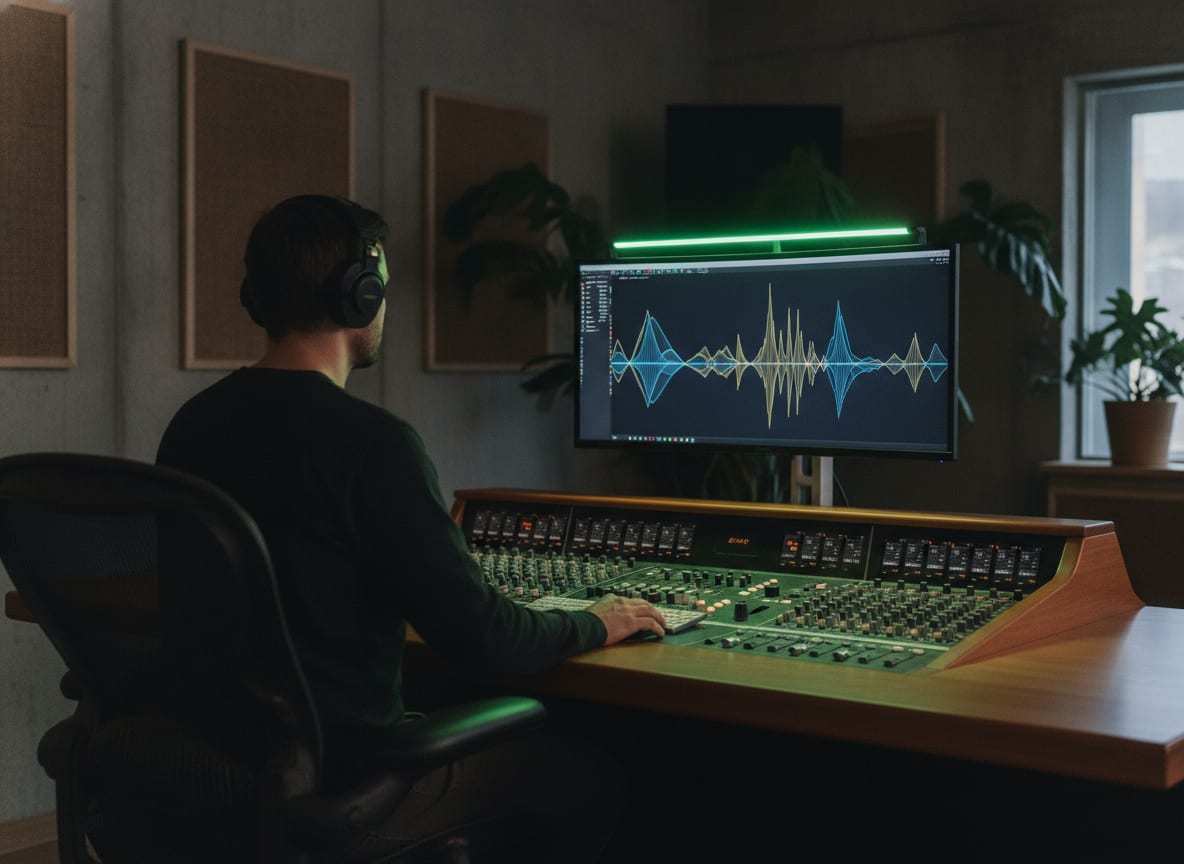
!A person sits at a mixing desk with headphones, looking at a computer screen displaying audio waveforms.
This new policy requires you to be clear about the role of AI in your music production when distributing to YouTube Music.
What to do next
Review your current music production processes to understand where AI tools are being used. When preparing your next release for distribution, discuss the new YouTube Music AI labeling requirements with your distributor to ensure accurate tagging.
