AI-Generated Artist Xania Monet Sweeps Inaugural AI Music Awards
The first AI Music Awards took place in Los Angeles, with AI-generated artist Xania Monet winning top honors, signaling a shift in the music landscape.
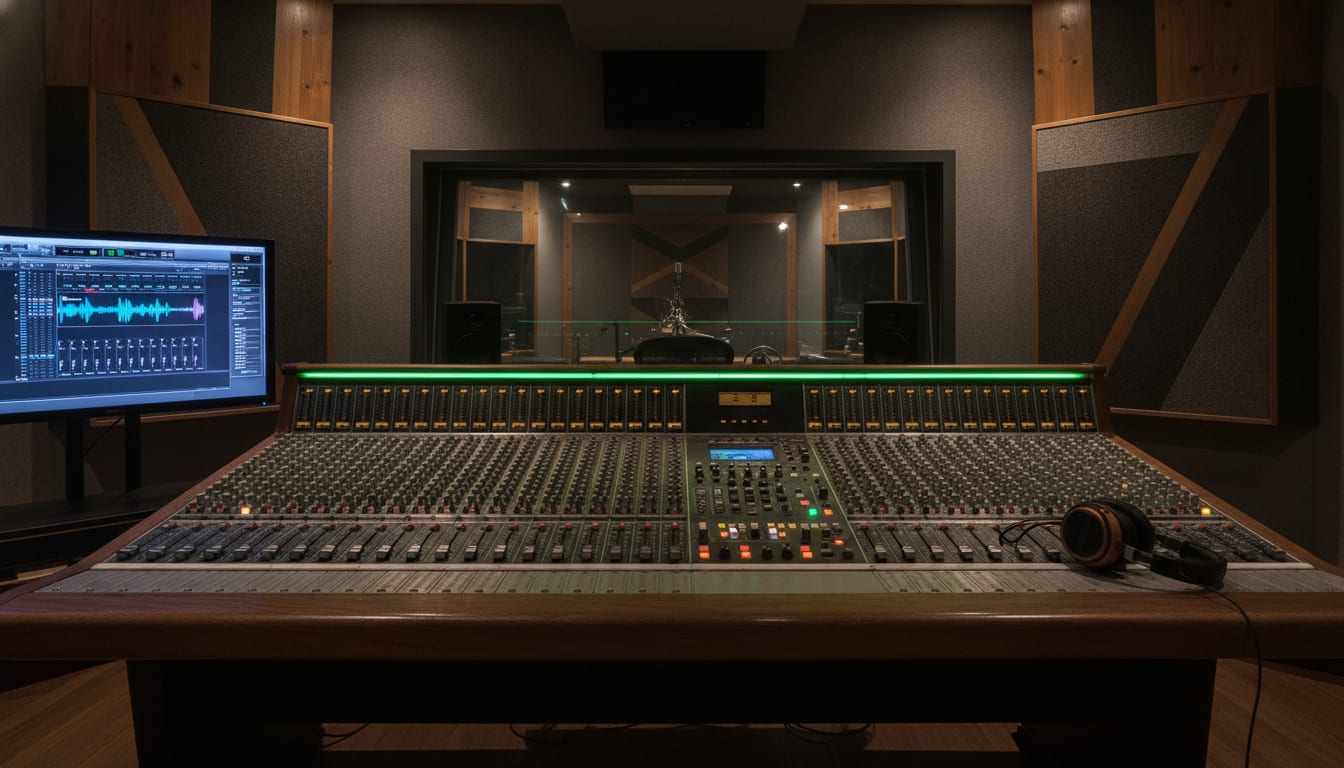
The first AI Music Awards ceremony in the U.S. took place on Friday, November 13, 2026, in downtown Los Angeles, celebrating music created at least partly with artificial intelligence. AI-generated R&B singer Xania Monet was the night’s biggest winner, sweeping the top three prizes: AI Artist of the Year, AI Song of the Year, and AI Album of the Year [https://kelo.com/2026/11/14/new-awards-show-celebrates-ai-music-and-its-creators/]. This event marks a new step in the music industry’s relationship with AI-assisted creation.
Telisha “Nikki” Jones, the human songwriter behind Xania Monet, writes all the lyrics herself. She then uses the AI music platform Suno to produce the finished tracks [https://thenews.com.pk/latest/1423580-ai-music-gets-its-own-awards-show]. Monet’s song “How Was I Supposed to Know?” made history in 2025 as the first release by an AI-based act to enter Billboard’s Adult R&B Airplay chart [https://wisevoter.com/world/us/ca/los-angeles/2026/11/14/ai-music-awards-los-angeles-xania-monet]. Hallwood Media signed Xania Monet to a reported multimillion-dollar record deal.
The Awards and the Academy
The awards were decided by AI artists who are members of the Sonic Intelligence Academy (SIQA). SIQA is an organization that has developed music charts and technology for identifying AI-generated songs [https://www.prnewswire.com/news-releases/inaugural-ai-music-awards-coming-to-los-angeles-this-november-as-siqa-launches-verified-registry-for-ai-music-provenance-302875791.html]. This structure means the awards are peer-voted within a community focused on AI music.
The ceremony itself highlights a growing recognition of AI’s role in music creation. It shows that music made with AI tools is moving into more public spaces. This includes dedicated awards and chart recognition.
What this means for you
This development shows that music created with AI tools is becoming more visible and accepted. For independent artists, managers, and small labels, this could mean several things.
First, it highlights the potential for new creative workflows. Telisha “Nikki” Jones’s process, where she writes lyrics and then uses an AI platform like Suno for production, is one example. This approach combines human creativity with technological assistance. It can help artists bring their ideas to life, especially if they have limited access to traditional studios or producers.
Second, the success of Xania Monet on the Billboard charts and with a major deal suggests that audiences and industry players are open to AI-assisted music. This does not mean that every AI-generated track will find similar success. It does show a path for artists who use these tools effectively. It is about how the music connects with listeners, regardless of the tools used to make it.
Third, the existence of an organization like SIQA and its verified registry for AI music provenance points to a future where identifying the origin of music becomes more important. As AI tools become more common, understanding how your music is created and how to prove its authenticity may become a factor. Distributors like LYVO are always working to adapt to new technologies and industry standards. Ensuring your music is properly identified and attributed, whether human-made or AI-assisted, remains important.
This is not legal advice. The landscape of AI in music is still developing. It is wise to stay informed about copyright and intellectual property as new tools emerge. Always understand the terms of service for any AI platform you use. This includes how your inputs are used and what rights you retain over the outputs.
What to do next
Consider exploring AI tools as part of your creative process if you are curious. Understand the terms of service for any platform you use. Continue to focus on creating compelling music that resonates with your audience. You can learn more about how LYVO supports artists in distributing their work [how-it-works].
