Verification and Provenance: How to Protect Your Music in the AI Era
Understand what verification and provenance mean for independent artists and how they protect your creative work as artificial intelligence evolves.
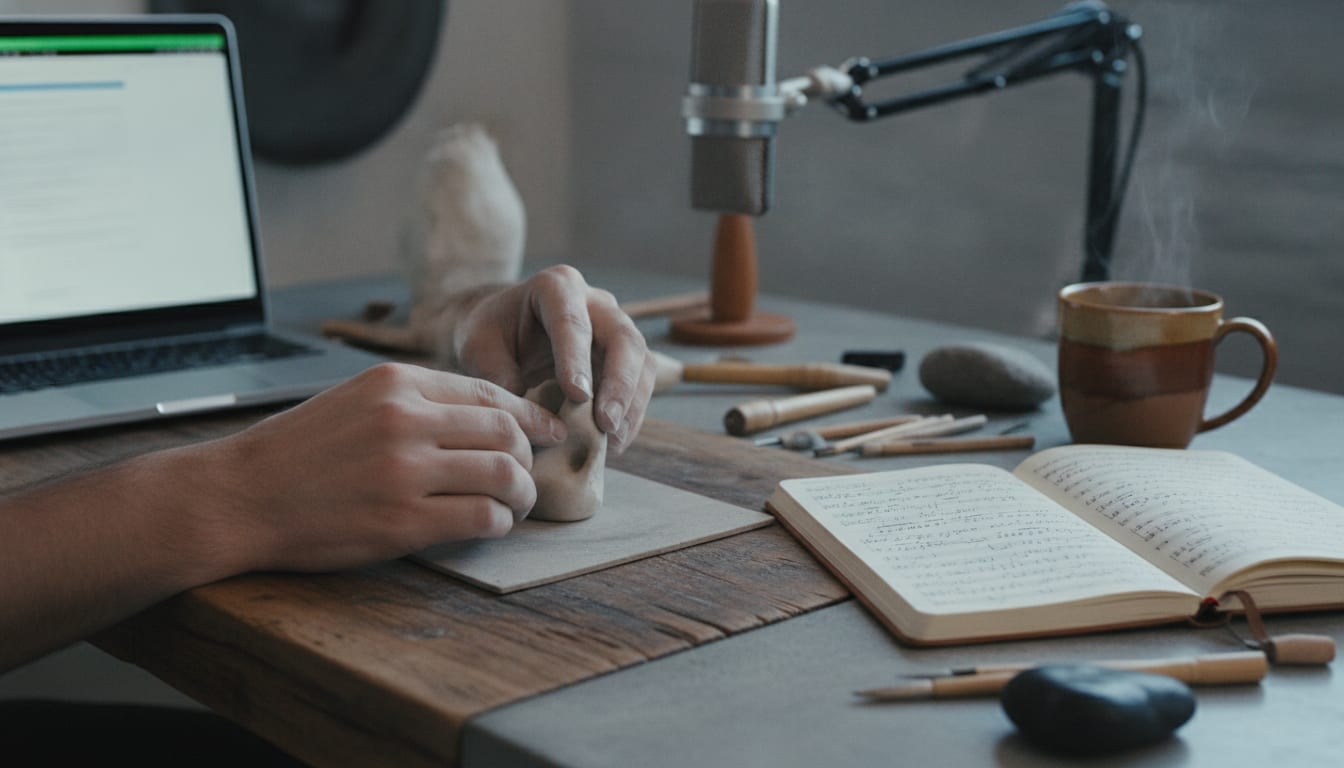
The world of music is changing quickly. Artificial intelligence now creates sounds, mimics voices, and generates new tracks. This shift makes two concepts more important than ever for independent artists: verification and provenance. These ideas are about confirming who you are and where your music comes from. They are your shield in a complex new landscape.
What is Verification?
Verification is the process of proving your identity. It shows you are a real person, or a real group, behind the music. It confirms you are who you say you are. This process protects you from impersonation. It ensures that only you can upload music under your name or artist profile.
Think about how you verify your identity for a bank account or a passport. You provide documents that confirm your name, address, and date of birth. In music distribution, verification often involves confirming your email, phone number, and sometimes photo identification. This step is crucial before your music goes live on streaming platforms.
With AI, the need for solid verification grows. AI can generate convincing fakes. It can mimic voices or artistic styles. Robust verification helps ensure that imposters cannot easily upload music under your name. It helps protect your brand and your catalog. You can learn more about how identity verification works on our platform at how verification works.
What is Provenance?
Provenance is the history of your music. It is the record of its origin and journey. It shows who created it, when they created it, and how it has changed over time. Provenance establishes a clear chain of ownership for your songs and recordings.
For music, provenance includes details like the date a song was written, who wrote it, who performed it, and who produced it. It involves metadata, which is the information embedded in your audio files. This includes the ISRC (International Standard Recording Code), a unique 12-character code that identifies a specific sound recording. It also includes the publishing splits, which are recorded on a split sheet. A split sheet is a document that outlines who owns what percentage of the songwriting and publishing rights for a track.
Provenance becomes even more vital with AI. If AI systems are trained on existing music, or if they can generate music that sounds similar to yours, clear provenance helps you assert your original work. It helps distinguish your human-created art from machine-generated content. It provides evidence of your creative effort and ownership, which is important for protecting your rights and ensuring you receive proper credit and royalties.

Why This Matters Now, With AI
AI’s capabilities are advancing rapidly. It can now create music, synthesize voices, and even generate entire tracks that sound like they were made by a human. This technology brings new challenges for artists. It makes it harder to tell what is real and what is not. It increases the risk of your artistic identity being misused.
If someone uses AI to create a song that sounds like you, or uses your voice without permission, strong verification and provenance are your first lines of defense. Verification confirms that you are the real artist. Provenance proves that your original work came from you, at a specific time, and with specific collaborators. These tools help you maintain control over your creative output and your artistic identity.
This is not legal advice. It is general education about the tools available to protect your work. Understanding these concepts helps you make informed decisions about your music.
Protecting Your Creative Identity
Protecting your creative identity involves several practical steps:
- Keep clear records. Document every step of your creative process. Note who contributed to a song, when, and how. Use split sheets for all collaborations, even with close friends.
- Use metadata correctly. Ensure all your music files have accurate and complete metadata, including ISRCs and proper credits. This information travels with your music.
- Register your works. If applicable, explore registering your copyrights. This provides a public record of your ownership.
- Choose your partners carefully. Work with distributors that prioritize robust verification processes and provide transparent tools for managing your metadata and release information.
What to do next
Take time to review your existing music catalog. Ensure you have clear records for all your releases, including accurate metadata and split sheets. Make a plan to implement these practices for all your future projects.
