Universal Music Group Licenses Music to AI Gaming Service TYGER
Universal Music Group has licensed its music to TYGER, an AI gaming service, setting a precedent for how major labels engage with adaptive content.
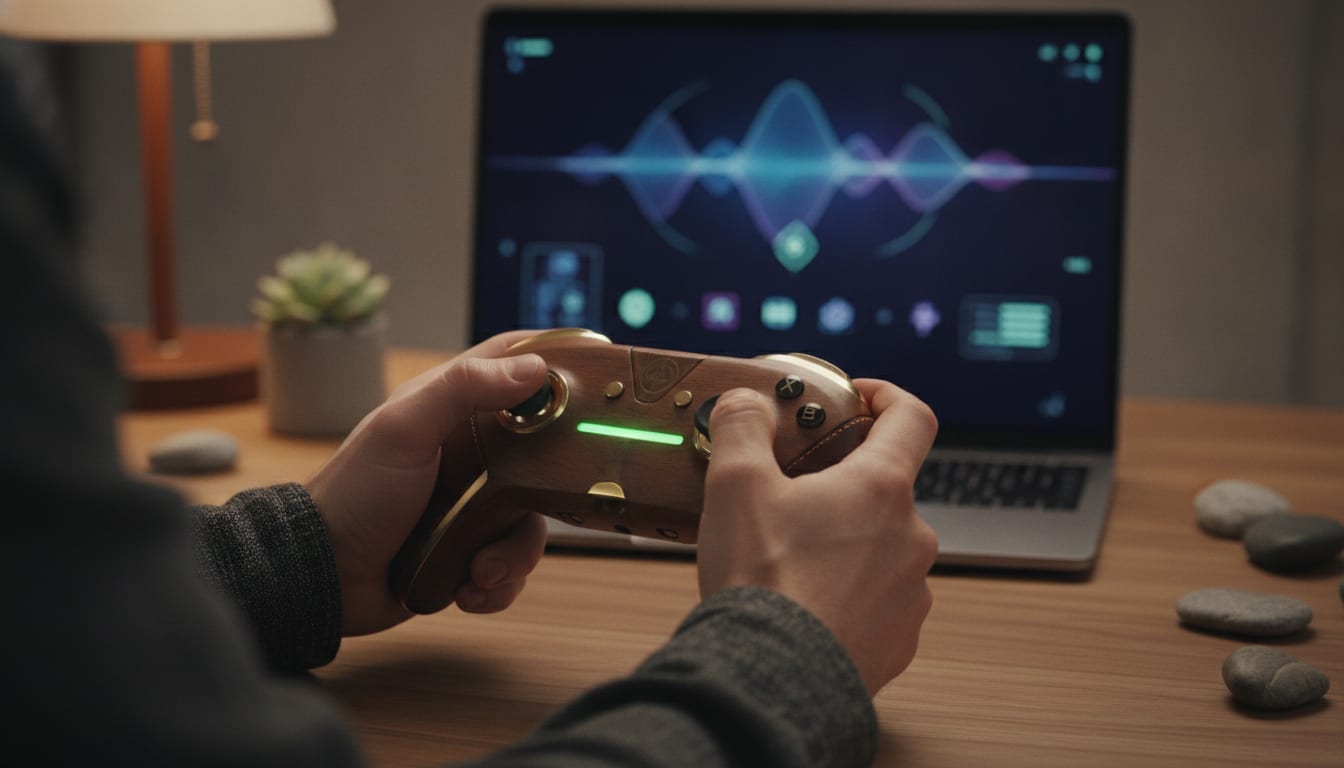
Universal Music Group (UMG) announced on October 22, 2026, that it will license music from its artists and songwriters to TYGER, an AI gaming music service. This deal marks UMG as the first major music company to license its catalog to TYGER, which uses artificial intelligence to adapt songs to live gameplay.
This development is significant because it shows a major label engaging directly with AI-driven adaptive music for gaming. It could influence how other music companies, including independent labels and artists, approach licensing their own music for similar interactive experiences in the future.
Universal Music Group Licenses Music to TYGER
On October 22, 2026, Universal Music Group confirmed its partnership with TYGER, an AI gaming music service. TYGER’s core function is to use AI to adapt licensed songs, making them fit seamlessly into live gameplay. This means the music can change and respond to what is happening in a game, creating a more immersive experience for players.
TYGER plans to relaunch later this year. This relaunch will include UMG’s extensive catalog of music, alongside its existing library. The service is currently in a closed beta phase, operating across more than 20 games. These games collectively reach over 540 million monthly players.
Nick Venti, the chief executive and co-founder of TYGER, noted the potential of this partnership. He stated that “Gaming is where the next generation spends its time, discovers culture and connects with friends, but music has never had a native way to reach those audiences.” This deal aims to bridge that gap, bringing music directly into the interactive world of gaming.
The Scope of the Deal
UMG’s chief digital officer, Michael Nash, highlighted the opportunity for artists. He said UMG’s artists “will now be able to soundtrack personalized gameplay experiences and connect with millions of gamers and fans around the world.” This points to a new way for artists to reach audiences beyond traditional streaming or radio.
Before this deal, TYGER’s library already contained more than 400,000 songs, primarily from independent artists. The addition of UMG’s catalog will significantly expand the available music. TYGER’s relaunch will feature an updated free, ad-supported tier and introduce a new subscription offer. This means players will have different ways to access the adaptive music experiences.
This agreement is in force as of its announcement date, October 22, 2026. It represents a concrete step by a major player in the music industry into the evolving landscape of AI-powered music integration in interactive media, specifically gaming. You can read more about this development from The Next Web here.
What this means for you
This licensing deal sets a precedent for how major music companies are engaging with AI music services. It specifically addresses adaptive content, where music changes dynamically based on user interaction. This could influence future licensing models and the terms offered across the entire music industry, including for independent artists, managers, and small labels.
As an independent artist or label, you might see similar opportunities emerge to license your music for AI-driven interactive experiences. These could be in gaming, as with TYGER, or in other forms of media. This deal highlights a new potential revenue stream within the rapidly growing gaming sector. It suggests that interactive and adaptive music experiences are becoming a more recognized and valued part of the digital entertainment landscape. Understanding these developments can help you consider new avenues for your music and how it might be used in innovative ways. You can learn more about how to manage your releases and rights on the LYVO platform at [/platform].
What to do next
Consider how your music might fit into interactive experiences like gaming. Stay informed about new licensing models and opportunities that emerge for adaptive content. Review your existing rights and explore potential avenues for your catalog in the evolving digital landscape.
