How to Set Up a Successful Music Pre-Save Campaign
Learn the specific steps to set up an effective pre-save campaign for your upcoming music release, building anticipation and ensuring day-one streams.
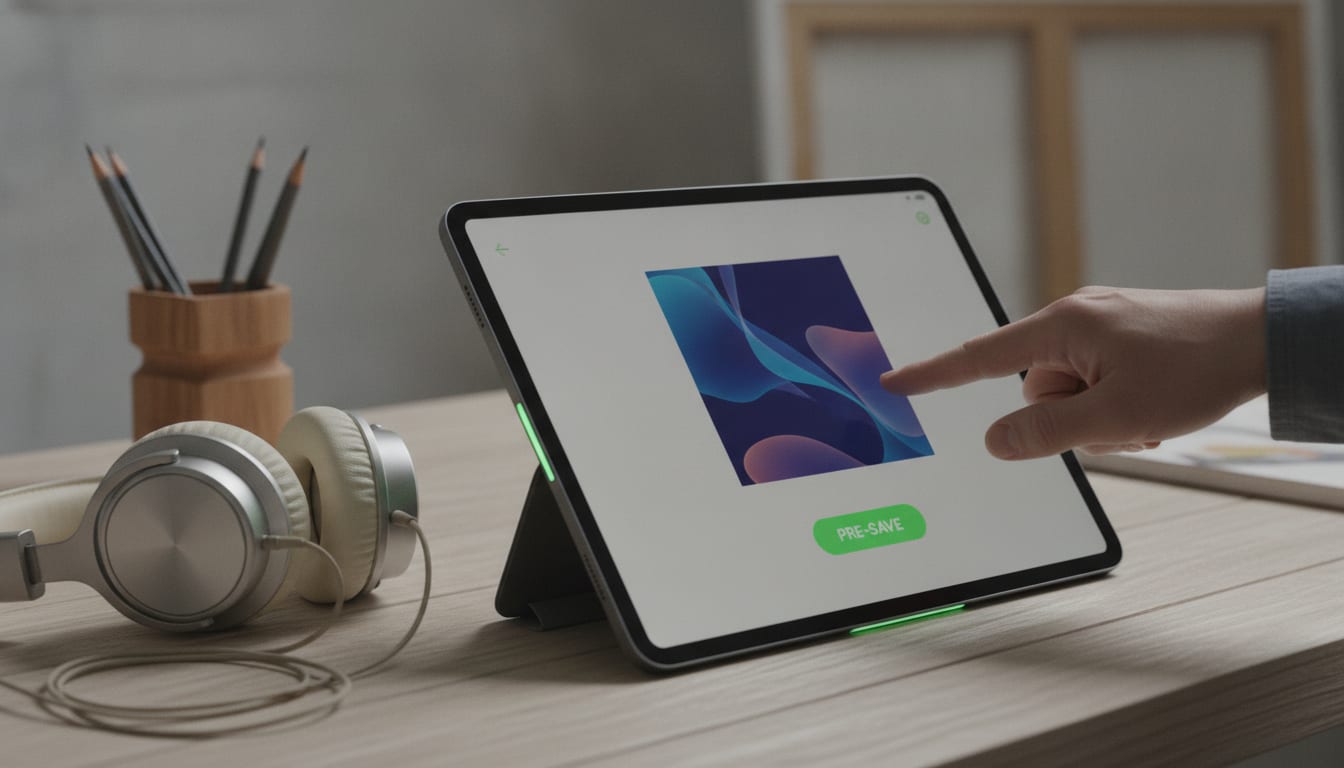
A pre-save campaign allows your fans to save your upcoming music to their streaming library before it is officially released. When release day arrives, your track will automatically appear in their selected streaming service, ready to play. This process helps build excitement for your new music and encourages day-one listens, which can be an important signal to streaming platforms.
Plan Your Release Timeline Carefully
Setting up a pre-save requires careful planning. You need to give yourself enough lead time. This means deciding on your release date well in advance, typically at least four to six weeks before you want the music to go live. This window allows time for your distributor to deliver the music to all streaming services, for those services to process it, and for you to generate and promote your pre-save link.
Finalize Your Music and Metadata
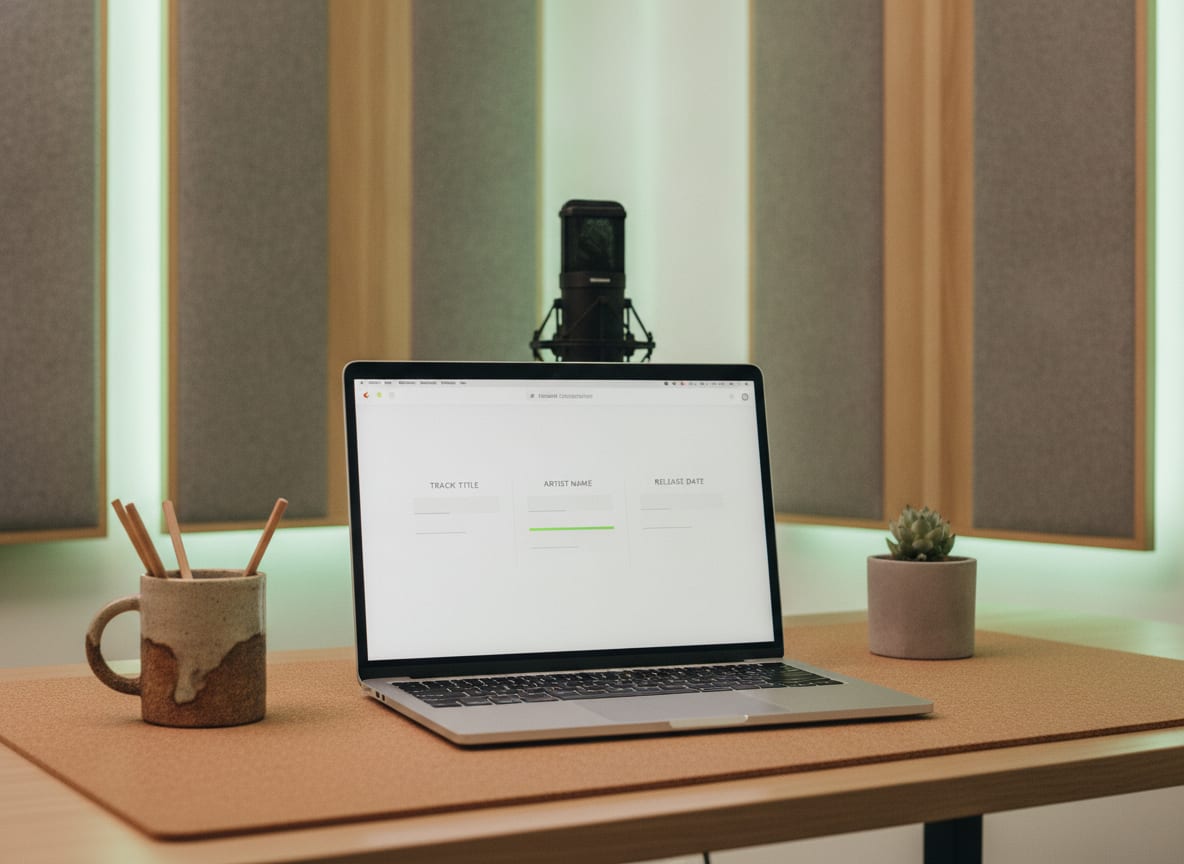
Before you can send your music to your distributor, ensure everything is final. This includes the mastered audio file, the album or single artwork, and all necessary metadata. Metadata includes your track title, artist name, featured artists, producers, songwriters, and the ISRC (International Standard Recording Code). An ISRC is a unique, permanent identifier for a specific sound recording. Your distributor will assign this or you can input one if you already have it. You will also need a UPC (Universal Product Code), which identifies the product itself, such as a single or an album.
Distribute Your Music Early
Once your music and all metadata are ready, upload them to your distributor. Submit your release for distribution with your chosen release date. Most distributors recommend submitting at least two to four weeks before the release date. This early submission is crucial because the pre-save link can only be generated after your music has been delivered to and processed by the streaming platforms. Your distributor will then provide you with a specific URL for your release on platforms like Spotify or Apple Music.
Choose a Pre-Save Tool
To create a pre-save campaign, you will need a third-party tool. These tools connect to your distributor’s links and allow fans to authorize the automatic saving of your music. They often also provide options to gather email addresses or follow your artist profile as part of the pre-save process. Research tools that fit your budget and offer the features you need. Many offer free tiers or trials.
Set Up Your Pre-Save Page
With your streaming service links in hand, you can now build your pre-save page using your chosen tool. You will typically upload your artwork, write a short, engaging description for your release, and select which streaming services you want to include (Spotify, Apple Music, Deezer, etc.). Make sure the page clearly shows the release date and a prominent call to action for fans to pre-save. Keep the process simple for your audience.
Promote Your Pre-Save Link Widely
Once your pre-save page is live, it is time to share it. Post the link across all your social media channels, add it to your website, include it in your email newsletters, and mention it in any interviews or promotional content. Share it consistently, but vary your messaging to keep it fresh. Remind your audience why they should pre-save, perhaps by sharing snippets of the new music or behind-the-scenes content. Consistency helps build momentum.
After Release Day
On your release day, your music will automatically appear in the libraries of everyone who pre-saved it. Continue to promote your music, sharing direct links to streaming services. You can also review the data from your pre-save campaign, if your tool provides it, to understand fan engagement and inform future release strategies. Monitoring your initial stream counts can provide insight into the effectiveness of your pre-save efforts.
What to do next
Start by finalizing your music and artwork for your next release. Then, plan your distribution timeline backward from your desired release date. Research pre-save tools that align with your needs and budget.
