Your Music Release: A Plan for Every Step
A clear music release strategy helps independent artists plan pre-saves, pitching, and optimal release dates, ensuring their music reaches fans

Releasing music is more than just uploading a file. It is a series of deliberate choices, each building on the last. A thoughtful plan can help your music find its audience and start its journey in the world. You can approach this process with clarity, knowing what to do and when to do it. This reduces stress and allows you to focus on the creative work.
Why a Plan Matters
Without a plan, it is easy to feel overwhelmed. There are many moving parts, from finishing the mix to telling your story. A detailed strategy gives you a roadmap. It helps you manage your time and resources. You will know exactly what needs to happen and by what date. This helps you communicate clearly with your team, your collaborators, and your fans. It ensures your efforts are focused and effective, rather than scattered.
Setting Your Release Date
Choosing the right release date is one of your first big decisions. Give yourself enough lead time. Most distributors recommend at least two to four weeks for your music to process and be delivered to stores. For pitching to editorial playlists, you will need even more time. A six to eight-week window before your chosen release date is a good starting point for your overall campaign.
Consider the day of the week. New music traditionally drops on Fridays worldwide. This is when many editorial playlists are updated. Releasing on a Friday can help your track be included in these updates. Avoid major holidays if you want to maximize attention, as the music landscape can be very crowded then.
Preparing Your Music and Metadata
Before you can set a release date, your music needs to be ready. This means final mixes, mastering, and high-quality audio files. You will also need your artwork, which must meet specific size and resolution requirements. Beyond the audio and visuals, there is crucial information called metadata.
Metadata includes your track titles, artist names, and album name. It also includes unique identifiers like the ISRC and UPC. An ISRC (International Standard Recording Code) is a unique code for each individual track. A UPC (Universal Product Code) is a unique code for your entire release, like an album or single. Your distributor usually generates these for you. Double-check all spellings and details. Mistakes can cause delays or misattribution of your music.
If you have collaborators, make sure you have clear agreements in place. A split sheet is a document that outlines who owns what percentage of a song’s publishing and master recording. This is general education, not legal advice, but having one helps avoid future disputes and ensures everyone is credited and paid correctly. LYVO helps you manage these details smoothly as part of the upload process. You can learn more about how verification works when you prepare your release [/how-it-works].
The Power of Pre-Saves
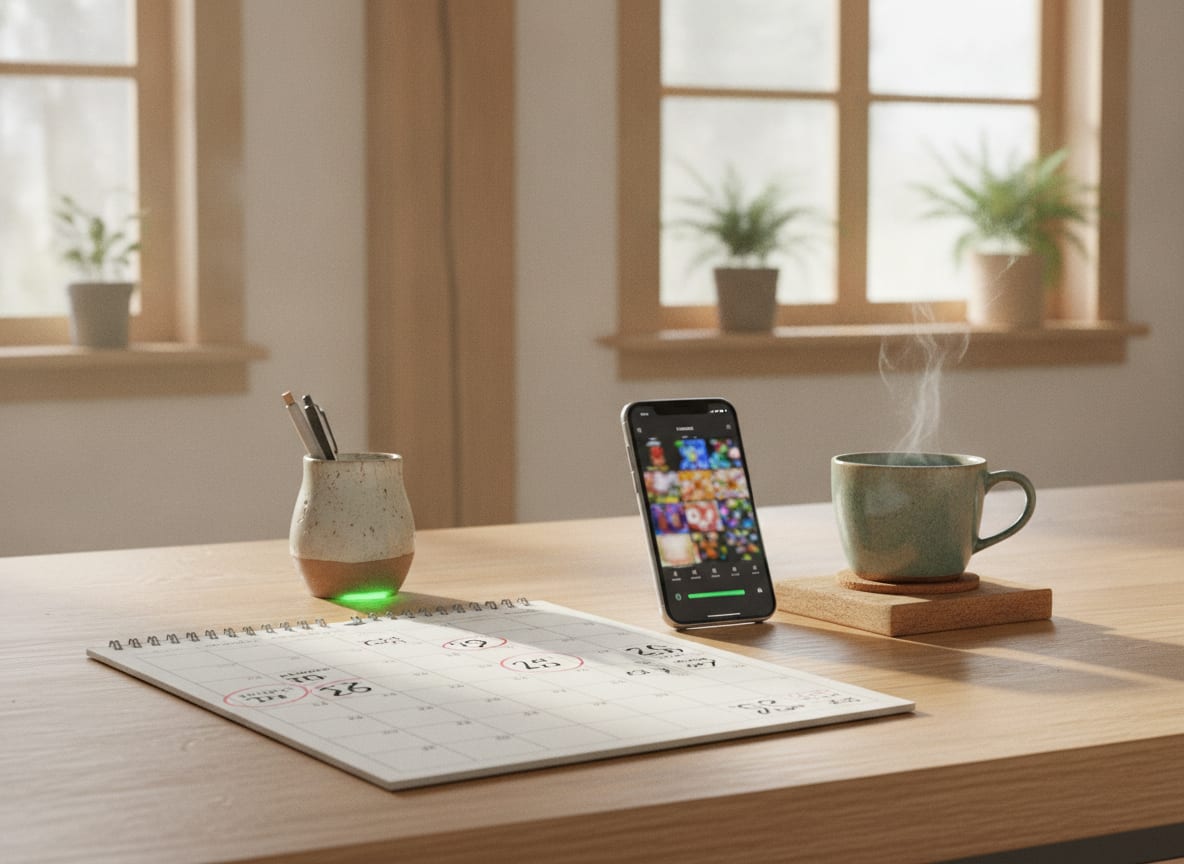
Pre-saves are a vital tool in your release strategy. A pre-save allows your fans to save your music to their library on streaming services like Spotify or Apple Music before it is officially released. When your music drops, it automatically appears in their library and is added to their queue. This means they do not have to search for it on release day. This makes it easy for them to listen immediately.
Pre-saves signal to streaming services that there is anticipation for your music. A strong pre-save campaign can lead to higher first-day streams. This can help your track gain visibility within the platform’s algorithms. Start promoting your pre-save link several weeks before your release date. Share it across all your social channels and encourage your fans to use it.
Pitching Your Music
Pitching is how you tell the story of your music to people who can help amplify it. This includes editorial playlist curators, independent blogs, and radio stations. For editorial playlists on major platforms like Spotify and Apple Music, you typically submit your music directly through your artist dashboard. You need to do this at least seven days before your release date to be considered.
Your pitch should be concise and compelling. Explain what your song is about, who you are, and why it is unique. Provide context about the inspiration, the recording process, or any interesting collaborations. Do not just send a link; tell a story. Research the curators or outlets you are pitching to. Tailor your message to their specific taste or audience. A well-crafted pitch can make a significant difference in getting your music heard by a wider audience.
After Release Day
Your work does not stop on release day. This is when your promotional efforts continue. Engage with your fans. Thank them for listening and sharing. Monitor your streaming numbers and social media mentions. Pay attention to which platforms and messages are resonating. This data can inform your strategy for future releases. Keep the momentum going by sharing user-generated content, behind-the-scenes glimpses, and updates about your next steps. Every release is a learning opportunity.
What to do next
Start by outlining your next release, even if it is just a rough idea. Mark a tentative release date on a calendar, then work backward to set deadlines for mixing, mastering, and promotional activities. Gather all your track details and artwork, ensuring everything is ready for submission.
