When Your Music Release is Held Up: Resolving and Preventing Distribution Issues
Learn how to navigate music release holds and takedowns, understand common reasons, and implement best practices to prevent future distribution issues.

It is a frustrating experience to have your music release held up or taken down. You have worked hard on your music. You have planned your release. Then, something goes wrong.
This post will help you understand why these issues happen. It will also guide you on what to do if they occur. Most importantly, you will learn how to prevent them in the first place.
Why Releases Get Held Up or Taken Down
There are several common reasons why a music release might face a hold or a takedown. Understanding these reasons is the first step toward resolution and prevention.
Copyright Infringement: This is a frequent cause. If your music includes samples, covers, or beats that you do not have the legal right to use, it can be flagged. This also applies to using copyrighted images or videos in your artwork or promotional materials. Even a short, uncleared sample can lead to a takedown.
Metadata Issues: Incorrect or incomplete information can cause delays. This includes misspellings in artist names or track titles. It also includes missing information like genre, language, or explicit content labeling. Mismatched audio to metadata, where the submitted audio does not match the written information, is another common problem.
Content Policy Violations: Each streaming service and distribution platform has content guidelines. These rules cover acceptable lyrical themes and artwork. Violations can include hate speech, harassment, or graphic content that is not properly labeled. Misleading content, such as falsely claiming an artist feature, can also cause issues.
Technical Issues: Your audio files must meet specific technical standards. Incorrect file formats, low audio quality, or silence at the beginning or end of a track can trigger a hold. Corrupted files are also a cause for rejection.
Duplicate Content: Releasing the exact same track multiple times can lead to a takedown. Each unique recording should have one ISRC. An ISRC (International Standard Recording Code) is a unique identifier for a specific sound recording. If you re-upload a track with the same ISRC, it can be seen as a duplicate.
What to Do When Your Release is Held Up
If your release is on hold, do not panic. Follow these steps to address the situation.
Read the Notification Carefully: Your distributor will send you a notification. This message usually explains the specific reason for the hold. Pay close attention to the details. This is your most important clue.
Contact Your Distributor: Reach out to your distributor’s support team. Provide them with your release details and the exact message you received. They can offer clarification and guide you through their specific resolution process.
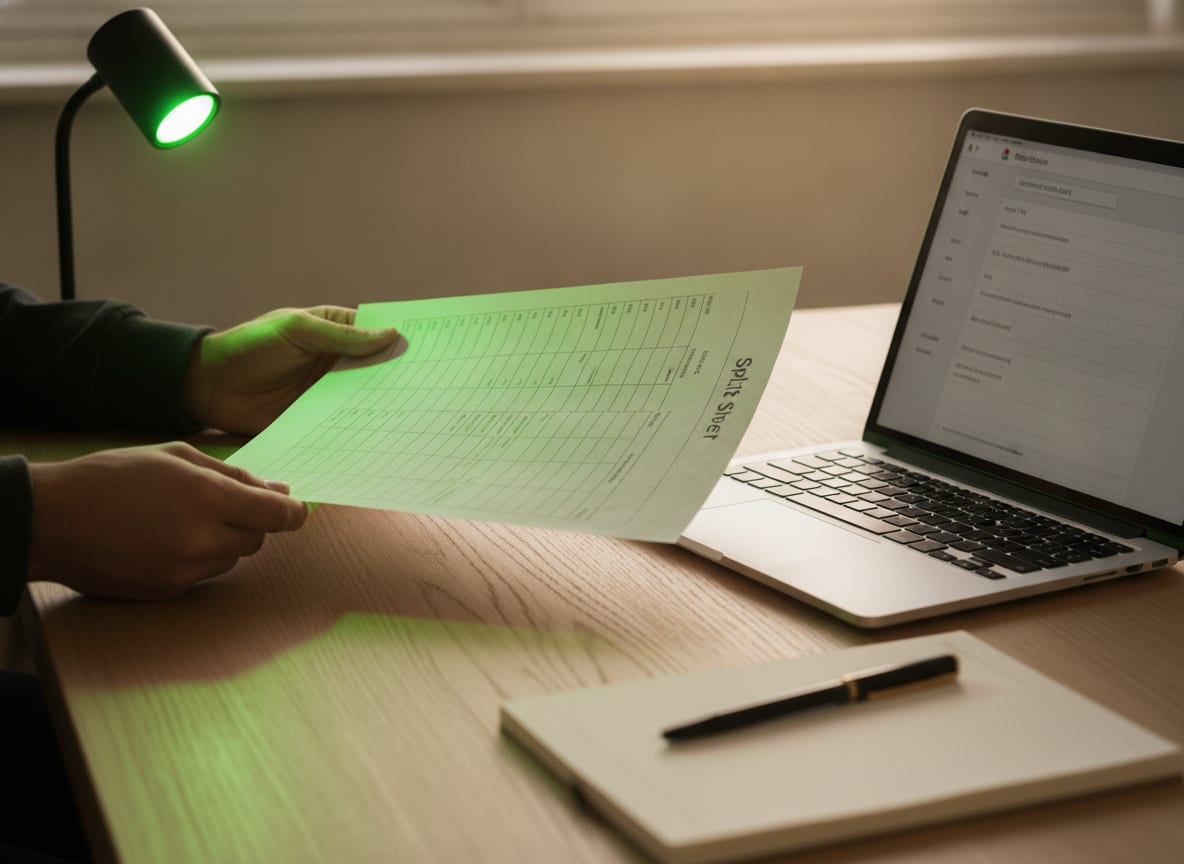
Gather Documentation: If the hold is due to copyright, you will need proof of your rights. This means having your licenses for samples or covers ready. If you collaborated, have your split sheets available. A split sheet details ownership percentages for a song. This documentation proves you have the right to distribute the music.
Correct the Issue: Once you understand the problem, make the necessary corrections. This might mean fixing metadata errors. It could involve replacing an audio file with a higher quality version. If it is a copyright issue, you might need to secure the proper licenses or remove the infringing content.
Resubmit: After making corrections, follow your distributor’s instructions for resubmitting the release. This often involves uploading the corrected files or updating the metadata within their system.
What to Do When Your Music is Taken Down
A takedown is more serious than a hold. It means your music has been removed from stores. This usually happens due to significant violations, often copyright related.
Understand the Reason: Just like with a hold, the first step is to understand why. Your distributor will inform you. A takedown notice will often come from a specific store or a rights holder.
Communicate with Your Distributor: Your distributor acts as the intermediary between you and the stores. They will have details from the platforms regarding the takedown. Ask them for all available information.
Address the Core Problem: Takedowns require a direct solution to the underlying issue. If it is a copyright claim, you must secure the proper licenses. If you cannot get the rights, you might need to remove the infringing element from your track. Sometimes, the only solution is to withdraw the release entirely.
Be Prepared for Delays: Resolving a takedown takes time. It involves communication between multiple parties. There is no quick fix. Focus on providing clear documentation and addressing the problem thoroughly.
How to Prevent Future Issues
Prevention is always better than reaction. A careful approach to your release process can save you significant trouble.
Clear All Samples and Collaborations: Get written agreements and licenses for every sample, cover, and beat you use. Do this before you release your music. Have signed split sheets for all collaborators, outlining their share of the publishing and master recording rights.
Accurate Metadata: Double-check every piece of information. This includes artist names, track titles, features, ISRC codes, and genre. Ensure your artist profile is correctly set up. For example, LYVO offers how verification works to help confirm your identity before distribution.
High-Quality Audio: Always use high-quality audio files. The standard is typically WAV, 44.1 kHz, 16-bit stereo. Ensure there is no silence at the beginning or end of your track. Check for any audio corruption before uploading.
Understand Content Guidelines: Familiarize yourself with general content policies. These are usually available on your distributor’s website or the streaming platforms themselves. This helps you avoid issues with explicit content or inappropriate artwork.
Use Proper Labeling: If your track contains explicit lyrics, mark it as explicit. This is not a suggestion; it is a requirement. Failing to do so can lead to a takedown.
Don’t Re-Upload Identical Content: Ensure each unique recording has its own ISRC. If you are making a minor edit, consider if it warrants a new ISRC or if the original version should be replaced. Avoid uploading the same track under different titles or artists.
Pre-Release Checklists: Create a checklist for every release. Include items like
