When Your Music Release is Held or Taken Down: A Guide to Getting Back on Track
Learn why music releases are held or taken down by distributors and stores, how to fix common issues, and how to prevent them from happening in the future.
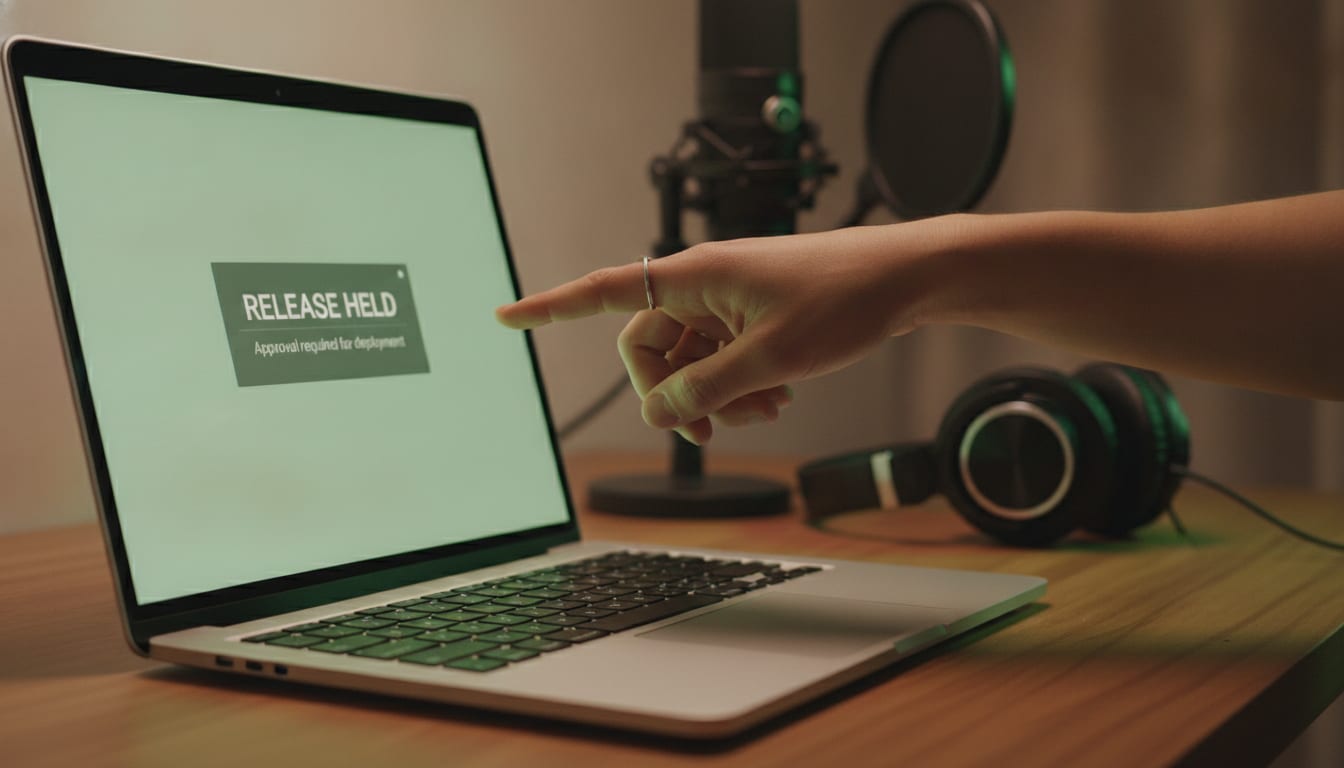
It can be frustrating when you receive a message that your music release is held or, worse, taken down from stores. You have put in the work, and you are ready to share your art. This guide will help you understand common reasons for these issues, how to resolve them, and how to prevent them for your next release.
Why Releases Get Held or Taken Down
Distributors and digital stores have guidelines to ensure quality, legality, and fairness. When these guidelines are not met, your release might be flagged.
Copyright Issues
This is a common reason. If your music contains uncleared samples, uses copyrighted beats without permission, or features another artist who has not granted their consent, your release can be held. For cover songs, you need a mechanical license. A mechanical license grants you permission to reproduce and distribute a copyrighted musical composition. This is different from the sound recording itself. Without proper licenses or agreements, your release is at risk. Please note this is general information and not legal advice.
Metadata Errors
Metadata is all the information about your release. Common errors include incorrect artist names, track titles, genre tags, or missing codes. The ISRC (International Standard Recording Code) is a unique identifier for each sound recording. The UPC (Universal Product Code) identifies the entire release. If these are incorrect, duplicated, or missing, your release can be held. For example, using the same ISRC for different songs or an ISRC that belongs to another artist’s track will cause problems.
Audio Quality
Stores expect a certain technical standard. Issues like low-quality audio files, excessive silence at the beginning or end of tracks, or corrupted files can lead to a hold. Sometimes, you might upload the wrong audio file by mistake.
Artwork Violations
Your cover art must meet specific requirements. This includes resolution, dimensions, and content. Blurry images, copyrighted images used without permission, or artwork deemed inappropriate by store guidelines can cause a hold. Artwork that includes logos or names of other artists without permission is also an issue.
Duplicate Content
Uploading the exact same track or release multiple times can lead to a hold. This also applies if you re-upload a track with only minor changes but keep the same ISRC. Each unique sound recording needs its own unique ISRC.
Fraudulent Activity
Stores take streaming manipulation seriously. If a release is linked to artificial streams, fake artists, or other attempts to deceive the system, it will be taken down immediately. This is to protect the integrity of the streaming ecosystem.
What to Do When Your Release is Held
If your release is held, it means it has not gone live yet. You usually have a chance to fix it.
- Read the Notification Carefully: Your distributor will send you an email or notification in your dashboard. It will explain why your release is held. Pay close attention to the specific reason.
- Gather Information: Check your original files, your metadata entries, and any licenses or agreements you have. Pinpoint exactly what needs to be changed.
- Contact Your Distributor: If the reason is unclear, reach out to their support team. They can provide more details and guide you on their specific process for corrections.
- Correct the Issues: Make the necessary changes. This might mean uploading new audio, revising your artwork, fixing metadata, or providing proof of licenses.
- Resubmit: Follow your distributor’s instructions to resubmit the corrected release. Be patient, as it will go through the review process again.
What to Do When Your Release is Taken Down
A takedown is more serious. It means your music has been removed from stores. This often happens due to copyright infringement claims or severe violations.
- Understand the Reason: A takedown notice will specify the reason. It is often a direct claim from a copyright holder.
- Review Your Rights: Carefully check your ownership of all elements in the disputed track. Do you have all necessary licenses and permissions?
- Address the Claim: If the claim is valid, you may need to resolve it with the claimant directly. This could mean removing the content permanently or securing the proper licenses. Again, this is general information, not legal advice.
- Communicate with Your Distributor: Your distributor can offer guidance on their takedown resolution process. They cannot provide legal advice but can explain the steps you need to take within their system. LYVO will always guide you through the process clearly.
Preventing Future Holds and Takedowns
Being proactive is the best way to avoid these issues. Here are key steps:
- Clear All Samples and Features: Get written agreements and licenses for every piece of content you did not create yourself. This includes samples, beats, and featured artists.
- Secure Mechanical Licenses for Covers: If you are releasing a cover song, obtain a mechanical license before distribution. Services exist to help you with this.
- Double-Check All Metadata: Ensure artist names, track titles, and album titles are accurate. Use a unique ISRC for each track and a unique UPC for each release. Verify that collaborator splits are correctly recorded on a split sheet, which is an agreement detailing ownership percentages and royalty splits among collaborators.
- Verify Audio Quality: Listen to your final master before upload. Make sure there are no unintended silences, distortions, or other technical flaws. Upload the highest quality file possible.
- Use Original or Properly Licensed Artwork: Create your own artwork or ensure you have explicit permission or a license for any images or fonts used. Check for high resolution and correct dimensions.
- Understand Your Distributor’s Guidelines: Each distributor, including LYVO, has specific rules and best practices. Familiarize yourself with them. You can learn more about how verification works here.
- Keep Meticulous Records: Maintain all contracts, licenses, split sheets, and communication related to your music. This documentation is crucial if a dispute arises.
What to do next
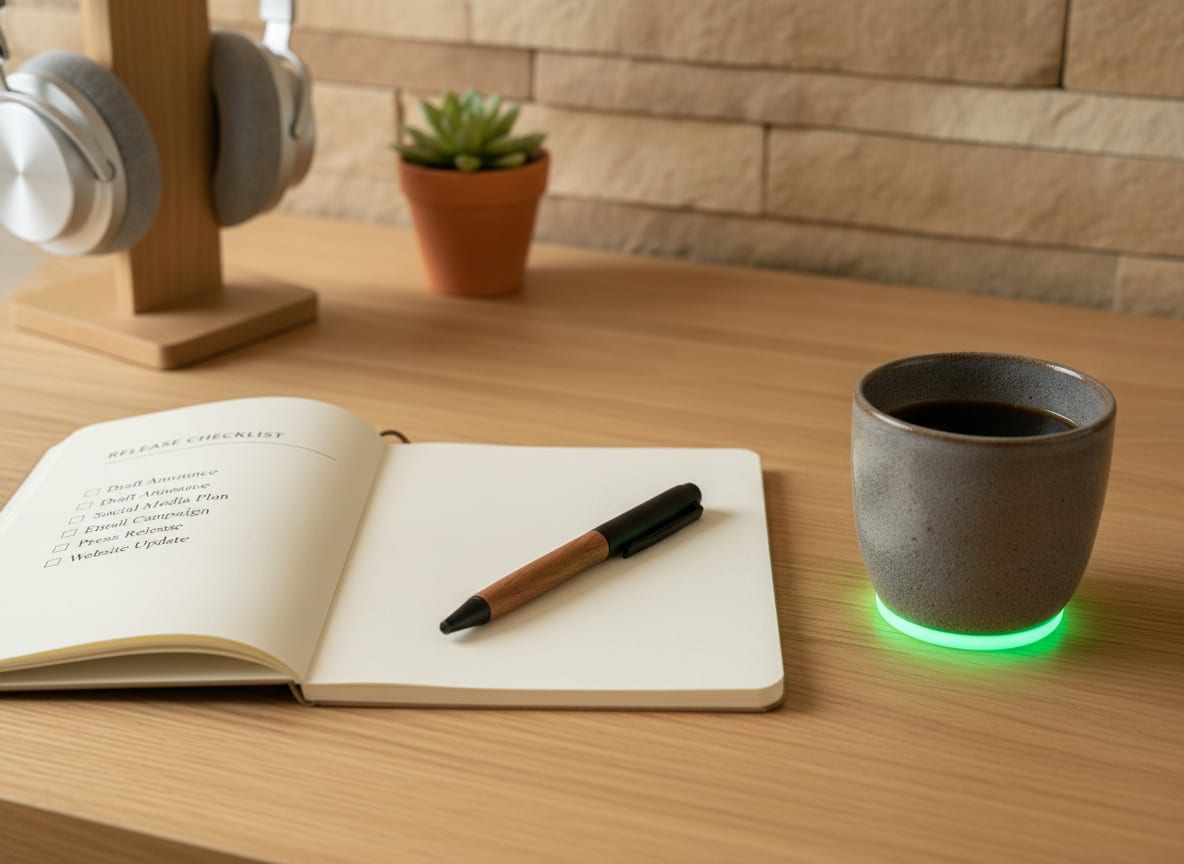
Review your current music catalog for any potential issues. For your next release, create a checklist based on the prevention steps outlined above. Taking these careful steps can help ensure a smooth release process for all your music.
