How to Navigate Music Rejections and Takedowns
Learn how to understand and respond to music rejections and takedowns, gather your evidence, and prevent future issues with your releases.

It is a frustrating moment when you receive a notice that your music has been rejected or taken down from stores. You put in the work, you prepared your release, and now there is a roadblock. It can feel overwhelming, but understanding why these things happen and how to respond can help you navigate the situation calmly and effectively.
Why Rejections Happen
A rejection means your music did not pass the initial review process by your distributor or the music stores. There are several common reasons for this:
- Technical Issues: Your audio files or metadata might not meet the required specifications. This could be incorrect file formats, low-quality audio, or missing details in the song title, artist name, or genre. Metadata is the information that describes your music, like song title, artist, album, and track number.
- Content Issues: Your music might contain elements that violate store policies. This often includes uncleared samples, unauthorized remixes, or cover songs released without a proper mechanical license. A mechanical license grants you permission to reproduce and distribute a copyrighted song you did not write. Explicit content not properly flagged can also lead to rejection.
- Copyright Concerns: If your music appears to infringe on someone else’s copyright, it will be rejected. Copyright is the legal right that protects original works of authorship, including music. This is a common reason for rejections involving samples or unauthorized use of existing melodies or lyrics.
- Policy Violations: Some rejections are due to suspected attempts at artificial streaming, misleading content, or misrepresentation of ownership. Distributors and stores have systems to detect such activity to maintain fairness and protect artists.
Why Takedowns Happen
Unlike rejections, a takedown happens after your music has already been released and is available in stores. The reasons for takedowns often overlap with rejections, but they usually come from a different source or are discovered later:
- Copyright Claims (DMCA): The most common reason for a takedown is a copyright infringement claim from a rights holder. If someone believes your music uses their copyrighted material without permission, they can issue a Digital Millennium Copyright Act (DMCA) notice. Your distributor is then legally obligated to remove the content.
- Content Policy Violations: Stores might retroactively discover content that violates their policies, such as hate speech, misinformation, or explicit content that was not correctly labeled during submission.
- Fraudulent Activity: If an audit or monitoring system detects artificial streams, bots, or other attempts to manipulate streaming numbers after release, your music may be taken down. This is to protect the integrity of the streaming ecosystem.
- Metadata Discrepancies: Sometimes, issues with conflicting metadata or incorrect artist links are discovered after release, leading to a takedown to resolve the error.
Your First Steps After a Notice
Receiving a rejection or takedown notice can be alarming, but it is important to respond thoughtfully. Here is what you should do:
- Read the Notice Carefully: Do not skim. Understand the exact reason for the rejection or takedown. The notice will usually specify the track, the platform, and the core issue.
- Identify the Specific Reason: Is it a copyright claim? A technical issue? A policy violation? Knowing the precise problem directs your next steps.
- Check Your Records: Refer to your own documentation. Do you have a split sheet for collaborators? Do you have license agreements for samples or cover songs? Do you have original audio files and metadata records? This is where good record-keeping pays off.
- Do Not Panic: Rash decisions can complicate the situation. Take a moment to assess before you act.
Gathering Your Evidence
Your ability to resolve the issue depends on the evidence you can provide. This is general information, not legal advice. For specific legal questions, consult a qualified professional.
- For Copyright Claims or Content Issues:
- Master Use License: If you sampled another sound recording, you need a license from the sound recording owner.
- Mechanical License: If you released a cover song, you need a mechanical license from the original songwriter or publisher.
- Sample Clearance: Documentation showing you cleared all samples used.
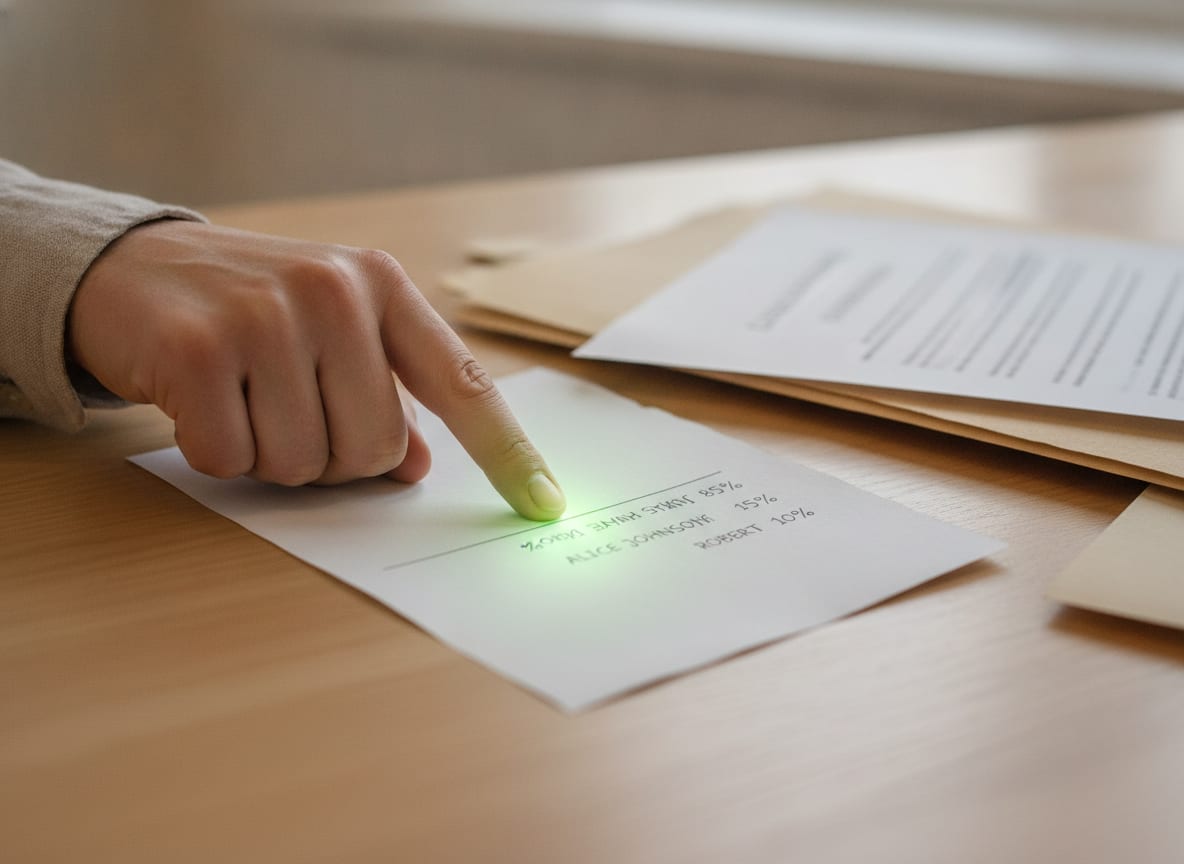
- Split Sheet: A written agreement detailing the ownership percentages of the song’s publishing and master recording among all contributors. This is crucial for verifying who owns what.
- Public Domain Status: If you claim material is in the public domain, be prepared to show why.
- For Technical Issues:
- Your original high-quality audio files.
- Accurate, complete metadata records.
- For Identity/Ownership:
- Documents proving your identity or the identity of your label/collective.
- Proof of ownership for your artist profile or label entity. This is often part of how verification works with your distributor.
Responding and Appealing
Once you have gathered your evidence, it is time to respond. Your distributor will have a specific process for appeals or re-submissions.
- Follow the Distributor’s Process: Do not try to go around it. Submit your appeal or re-submission through the channels provided.
- Be Clear and Concise: Explain your case directly. State the issue, refer to the notice, and present your evidence in an organized manner.
- Provide All Requested Evidence: Attach copies of your licenses, split sheets, or other relevant documents. Do not assume they have access to information you have not explicitly provided.
- Be Professional: Maintain a respectful tone, even if you are frustrated. This helps ensure your case is handled efficiently.
- Understand the Timeline: Resolution can take time, especially if third parties (like other rights holders or legal teams) are involved. Be patient and follow up politely if you do not hear back within the stated timeframe.
Preventing Future Issues
The best way to handle rejections and takedowns is to prevent them. A little preparation goes a long way.
- Double-Check Everything: Before you submit, review all your audio files and metadata. Ensure everything is accurate and meets specifications.
- Secure Rights Early: Clear all samples, secure all licenses, and finalize all split sheets before you record or certainly before you distribute your music. This proactive approach saves significant headaches later.
- Use Split Sheets Religiously: Make it a standard practice to create and sign split sheets with all collaborators for every song. This prevents disputes over ownership and royalties.
- Understand Store Guidelines: Familiarize yourself with the content policies of major music stores. These policies often influence what distributors can accept.
- Keep Meticulous Records: Organize all your licenses, agreements, and communication. A dedicated folder or digital system for each release can be invaluable.
What to do next
Review your current release workflow for any gaps in documentation or rights clearance. Create a checklist for future releases to ensure you have all necessary licenses and agreements in place before you distribute your music. Keep all your records organized and accessible.
