Making the Most of Your Direct-to-Fan Sales and Merchandise
Learn how independent artists can maximize direct-to-fan sales and merchandise to build community and keep more of their earnings.
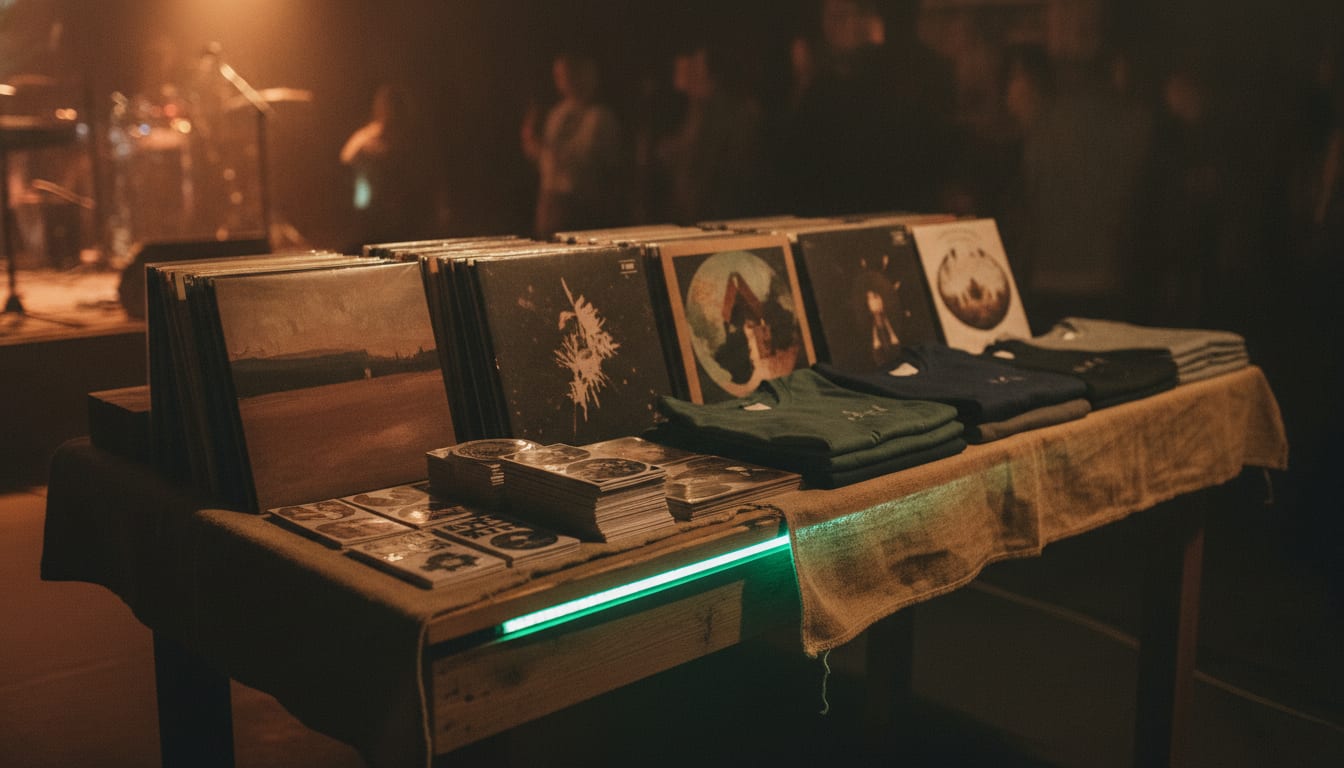
As an independent artist, manager, or label, you understand the value of direct connection. While distributors help your music reach every corner of the globe, direct-to-fan (D2F) sales give you a direct line to your audience and a larger share of the income. This approach is about more than just selling; it’s about building a stronger relationship with the people who support your art.
Why Direct-to-Fan Matters
D2F sales put you in control. When a fan buys directly from you, a much larger percentage of that money goes into your pocket. There are no intermediaries taking a cut beyond payment processing fees. This means more resources for your next project, tour, or recording session. More importantly, it means you own the relationship. You collect customer information, understand who your most dedicated supporters are, and can communicate with them directly. This insight is invaluable for planning future releases, merchandise, and live events.
Choosing Your D2F Platform
There are several ways to approach direct sales. You can build an e-commerce store on your own website, using tools that integrate directly. This gives you maximum control over the look, feel, and data. Alternatively, you can use dedicated artist-focused platforms designed to handle sales, shipping, and sometimes even printing. Each option has different levels of complexity and cost. When making your choice, consider how much technical control you want, your budget, and how much time you have to manage the store yourself. The goal is to find a system that makes it easy for fans to buy and easy for you to manage.
What to Sell Beyond Music
Music is your core product, but merchandise expands your offering and allows fans to show their support in tangible ways. Think creatively about what your audience would appreciate. This could include:
- Physical Music: Vinyl records, CDs, or even cassette tapes offer a collector’s item and a different listening experience.
- Apparel: T-shirts, hoodies, hats, and socks with your logo or artwork are classic choices. Focus on quality materials and appealing designs.
- Accessories: Patches, pins, stickers, tote bags, and phone cases are affordable ways for fans to carry a piece of your brand.
- Unique Items: Limited edition art prints, signed lyrics, custom instruments, or even handmade items can create a special connection.
- Experiences: Offer VIP packages, virtual meet-and-greets, or exclusive access to demos. These are not physical goods but are direct fan experiences.
Always ensure your merchandise reflects your artistic identity and offers genuine value to your fans.
Pricing Your Merchandise Thoughtfully
Pricing your D2F items requires a balance. You need to cover your production costs, including materials, printing, and any design fees. Beyond that, consider the perceived value to your fans. A limited-edition signed vinyl might command a higher price than a standard T-shirt. Research similar artists’ merchandise prices to get a general idea, but ultimately, your prices should feel fair to your audience and profitable for you. You might also consider offering tiered pricing or bundles to encourage larger purchases, such as a vinyl record paired with a T-shirt at a slightly reduced combined price.
Managing Shipping and Fulfillment
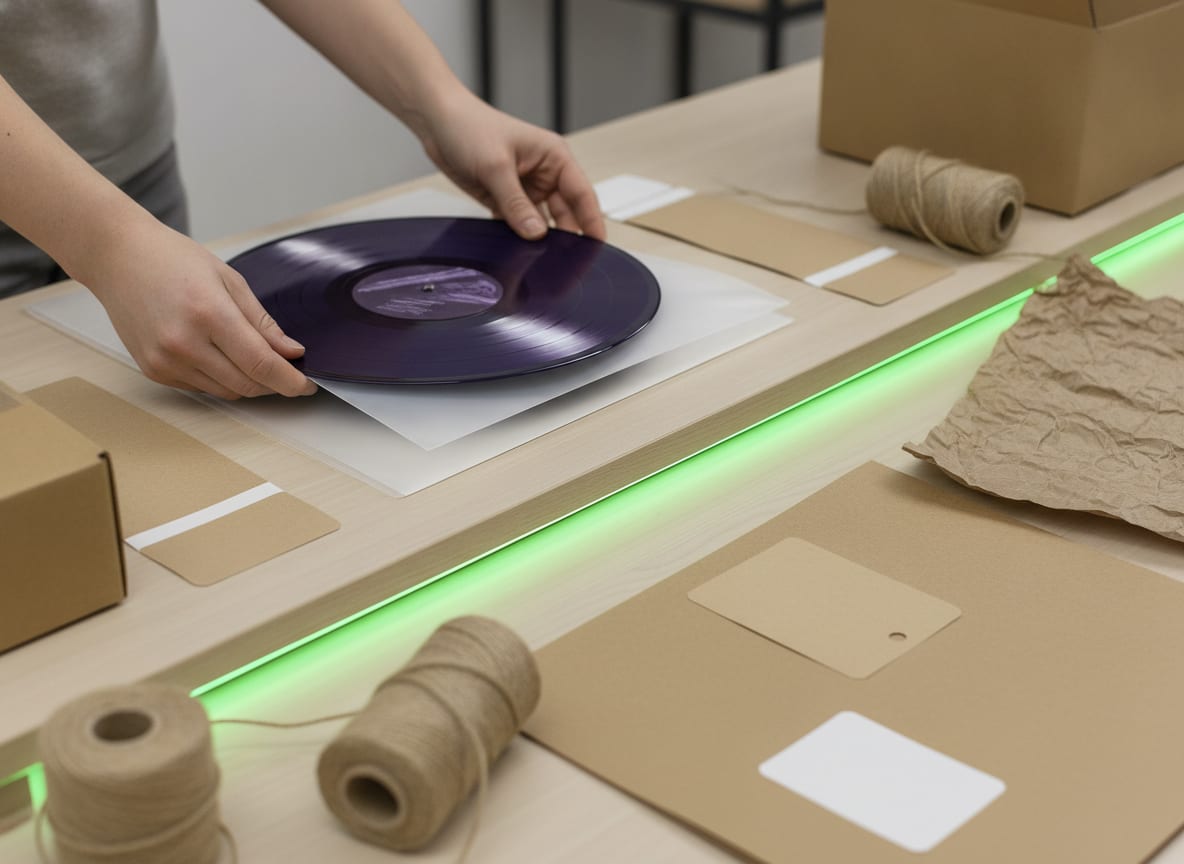
Once an order comes in, the next step is getting it to your fan. This involves packaging, calculating shipping costs, and choosing a reliable carrier. Clear communication about shipping times and costs is essential to manage fan expectations. For international orders, be aware of customs declarations and potential import fees your fan might incur. You can handle fulfillment yourself, which saves money but takes time, or you can work with a fulfillment service that stores your merch and ships it out for you. Weigh the cost savings against the time commitment. A smooth fulfillment process ensures happy customers and repeat business.
Building Community Through Direct Sales
D2F isn’t just a transaction; it’s an interaction. Use your D2F platform to build a stronger community. Offer exclusive merchandise to your mailing list subscribers or early access to new releases. Personalize orders with handwritten notes or small bonus items. Respond to customer inquiries promptly and courteously. This direct engagement fosters loyalty and turns casual listeners into dedicated fans. When people feel seen and appreciated, they are more likely to continue supporting your work, spread the word, and become your advocates.
Just as LYVO helps you release your music with clarity and control, direct-to-fan sales give you similar power over your physical goods and fan relationships. Understanding your audience through direct sales data can inform your next artistic moves, from tour locations to future merchandise designs. It’s about empowering your career on your own terms.
What to do next
Start by assessing what kind of merchandise resonates with your audience and research suitable D2F platforms. Set up a clear system for managing orders and shipping. Communicate openly with your fans about new items and delivery expectations.
