Direct-to-Fan Merchandise: Building Your Brand and Your Business
Understanding how to sell merchandise directly to your fans helps you control your brand, connect with your audience, and build a sustainable business.
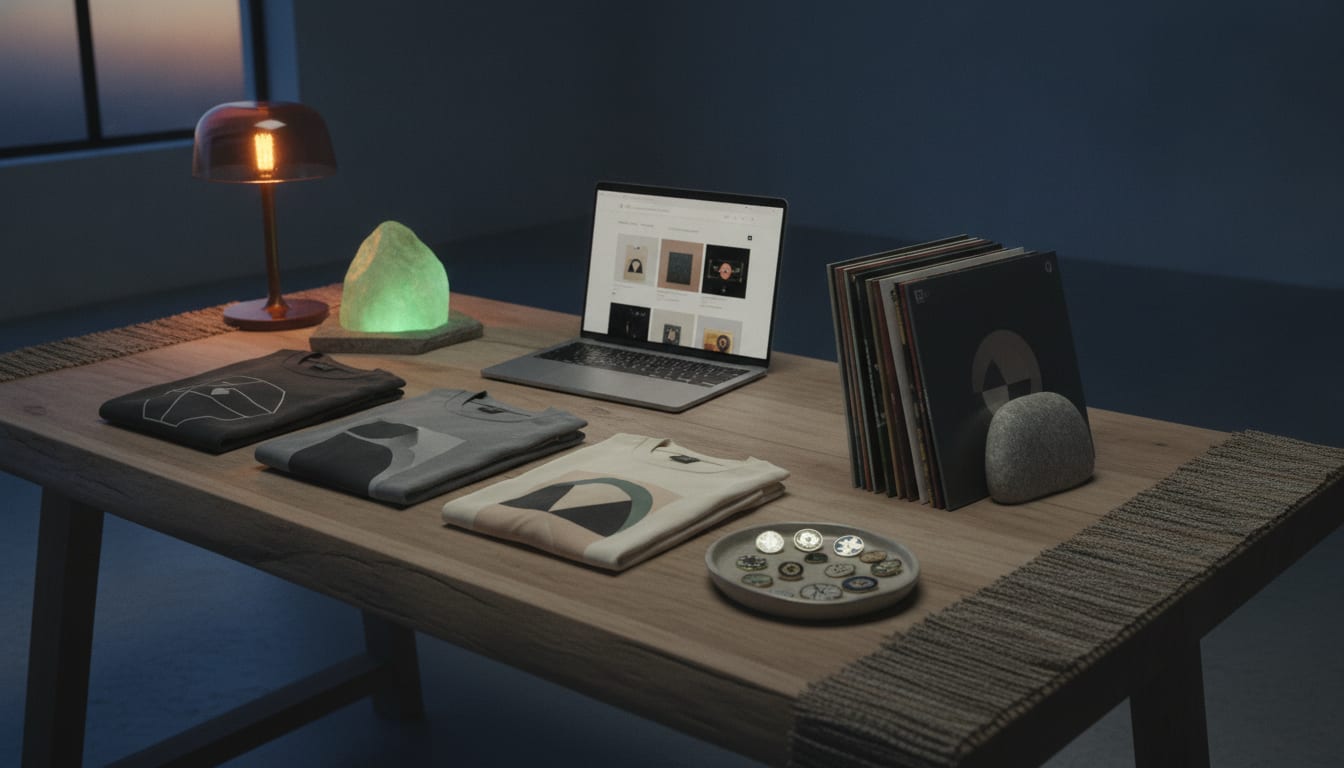
Selling merchandise directly to your fans is more than just an extra income stream. It is a direct way to deepen your connection with the people who support your music. It helps you build a more sustainable career. You control the products, the prices, and the experience your fans have. This direct relationship can be a powerful part of your music business.
Why Direct-to-Fan Merch Matters
When you sell merchandise directly, you keep a larger share of the revenue. There are no middlemen taking a percentage of each sale beyond payment processing fees. You also gain direct access to your fan data. You learn what they like, where they live, and how they engage with your brand. This information is valuable for future releases and tours. It also strengthens your brand identity. Your merchandise becomes a tangible representation of your art and message. Fans wear or use your items, sharing your brand with the world.
Choosing Your Products
Start by thinking about what your fans would genuinely want to own. T-shirts, hoodies, and hats are common choices. Consider physical music formats like vinyl records or compact discs. Smaller items like pins, stickers, and patches can be good entry points due to lower cost. Unique items tied to your specific aesthetic or music can also stand out. Focus on quality. A well-made product reflects well on your brand. A poorly made item can do the opposite. Think about the materials, the fit, and the printing method.
Sourcing and Production
Once you know what you want to sell, you need to find a way to make it. Many local print shops can produce apparel, posters, and stickers. Online services offer similar options and often have user-friendly design tools. Get quotes from several suppliers. Compare minimum order quantities. A lower minimum might mean a higher per-item cost, but it also reduces your initial investment and inventory risk. Ask for samples if possible. This lets you check the quality before committing to a larger order. Understand the production timeline so you can plan your releases and promotions accordingly.
Pricing Your Merchandise
Setting the right price involves balancing several factors. First, calculate your cost of goods sold (COGS) for each item. This includes the production cost, any design fees, and a portion of shipping costs to get the items to you. Then, consider the perceived value to your fans. What would they reasonably expect to pay for a similar item? Look at what other independent artists at your level are charging. Factor in potential shipping costs you might charge to the customer. Your goal is to cover your costs and make a reasonable profit that supports your music career. Do not undersell your work, but also ensure your prices are accessible to your audience. This is not financial advice, but a general business principle.
Setting Up Your Store
You need a place for fans to buy your merch. Many artists use dedicated e-commerce platforms that integrate directly into their existing websites. Some use built-in store features offered by their website builder. Look for a platform that is easy to set up and manage. It should offer secure payment processing options. Ensure it looks professional and is easy for fans to navigate on both desktop and mobile devices. A clear, intuitive shopping experience encourages sales.
Inventory and Fulfillment
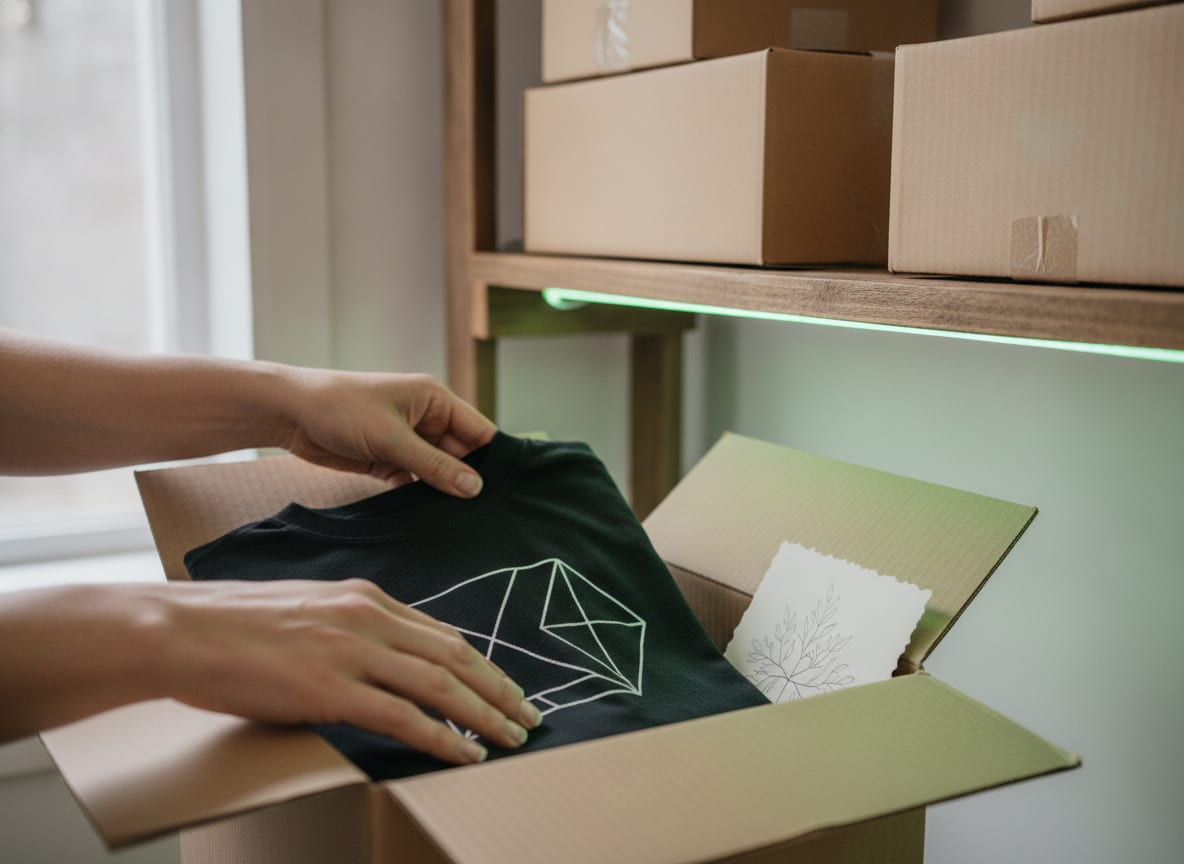
Managing your inventory means knowing how many of each item you have on hand. Keep track of sizes, colors, and designs. You can store merchandise yourself, perhaps in a spare room or a dedicated storage unit. When an order comes in, you pack the item and ship it. This is called self-fulfillment. You buy packing materials, print shipping labels, and drop packages at the post office. Alternatively, you can use a fulfillment partner. These companies store your inventory and ship orders on your behalf. This can save you time, but it comes with additional costs. Weigh the time saved against the expense as your sales grow.
Promoting Your Merch
Fans cannot buy what they do not know exists. Promote your merchandise across all your channels. Share photos and videos of your products on social media. Show people wearing or using your items. Include links to your store in your email newsletters. Mention your merch at live shows. Make sure your website has a prominent link to your store. Consider offering bundles, like a new release with a limited-edition T-shirt. Tell the story behind the designs or the production process. This adds value and connects fans more deeply to the items.
Customer Service
Good customer service is vital for building trust and repeat business. Respond to questions about orders promptly. Be clear about your return and exchange policies. Make sure these policies are easy for fans to find on your store page. If an item is damaged in shipping, work with the fan to resolve it quickly. A positive experience encourages fans to buy again and recommend you to others. A negative experience can do lasting harm.
Data and Analytics
Most e-commerce platforms offer analytics. This data can show you which items sell best. It can tell you where your customers are located. You can see peak sales times and identify trends. Use this information to make informed decisions. If one T-shirt design consistently outsells others, consider creating more items with that aesthetic. If you see a cluster of sales in a specific city, it might be a good place to plan a future show. This data is a powerful tool for understanding your audience and refining your merch strategy.
What to do next
Start by identifying one or two core merchandise items that reflect your music and brand. Research local printers or online production services to get quotes and understand minimum order quantities. Set up a simple online store to begin offering your products directly to your fans.
