How to Choose Your Release Date Wisely
Picking the right release date for your music is key. Learn to avoid common mistakes and give your track the best chance to connect with listeners.

Choosing a release date for your music is more than just picking a random day on the calendar. It is a strategic decision that can impact your promotional efforts, how your music is discovered, and ultimately, how many people hear it. Many independent artists, managers, and labels overlook critical steps, leading to missed opportunities. Let’s look at how to avoid common pitfalls and set your release up for success.
Not Enough Lead Time
One of the biggest mistakes is not giving yourself enough time. You might have the perfect song, but if you upload it a week before you want it out, you are already behind. A general rule of thumb for a single is to plan for at least 4 to 6 weeks of lead time before your desired release date. For an EP or album, extend that to 8 to 12 weeks. This time is crucial for several reasons: distribution processing, setting up pre-saves, and most importantly, giving media and playlist curators time to consider your music.
Forgetting the Calendar
Take a look at the wider world calendar. Are there major holidays approaching? Think about Christmas, New Year’s, or other significant cultural events that might distract your audience or slow down industry operations. Also, be aware of major album releases from established artists. While you shouldn’t constantly reschedule based on what a superstar is doing, releasing on the same day as an artist with massive marketing budgets might mean your music gets less attention from press or playlists. Check industry news sites to see what is coming out.
Overlapping Your Own Music
If you are a prolific artist, it can be tempting to release music frequently. However, releasing two singles too close together can cause problems. Your audience might get confused, and your promotional efforts for one track could cannibalize the other. Give each release space to breathe and allow your marketing campaigns to run their course. A good practice is to leave at least 6 to 8 weeks between singles, and more for EPs or albums, to ensure each piece of music gets its moment.
Ignoring Distribution Timelines
Your distributor needs time to process your music, review it for quality and policy compliance, and deliver it to all the streaming services and digital stores. This is not an instant process. While some distributors are faster than others, rushing this can lead to delays or issues. LYVO aims for efficient delivery, but you still need to factor in a buffer. Always aim to submit your music at least three weeks before your target release date to ensure it arrives at all platforms on time. You can learn more about how verification and delivery work here.
The Importance of Promotion Windows
Once your music is delivered to streaming services, there is a window for promotional activities. For instance, Spotify’s editorial playlist submission tool requires your music to be delivered and ‘live’ on their backend for at least seven days before your release date. This gives their curators time to listen and consider your track. Press outlets and blogs often need weeks, sometimes even months, to review music and schedule features. If you are waiting until the week of release to send out press kits, you have likely missed your chance.
Why Friday is the Standard
For many years, new music was released on Tuesdays in North America. However, since July 10, 2015, the global standard for new music releases became Friday. This change was made to unify release days worldwide, making it easier for fans to access new music simultaneously and for charts to be consistent. Releasing on a Friday ensures your music is eligible for chart placements in most territories and aligns with listener habits, as many people look for new music on Fridays for weekend listening. Stick to Friday for your main release, unless you have a very specific, well-researched reason not to.
Coordinating with Your Team
Music creation is often a collaborative effort. If you have featured artists, producers, mixing engineers, or a video team, their schedules and availability are crucial. Make sure everyone involved agrees on the release date and has their part ready well in advance. A delay from one person can push back the entire project. This also includes securing all necessary clearances and ensuring you have the correct ISRC for your recording. An ISRC (International Standard Recording Code) is a unique identifier for a sound recording. It helps track your music’s usage and royalties globally.
All Assets Ready
Before you even think about a release date, ensure all your assets are finalized. This includes the mastered audio file, high-resolution artwork that meets distributor specifications, complete and accurate metadata (song titles, artist names, genre, etc.), and any accompanying promotional materials like photos or video. Trying to finalize these details at the last minute is a recipe for stress and potential delays. Ensure your audio is mixed, mastered, and approved by all collaborators before you set a date.
What to do next
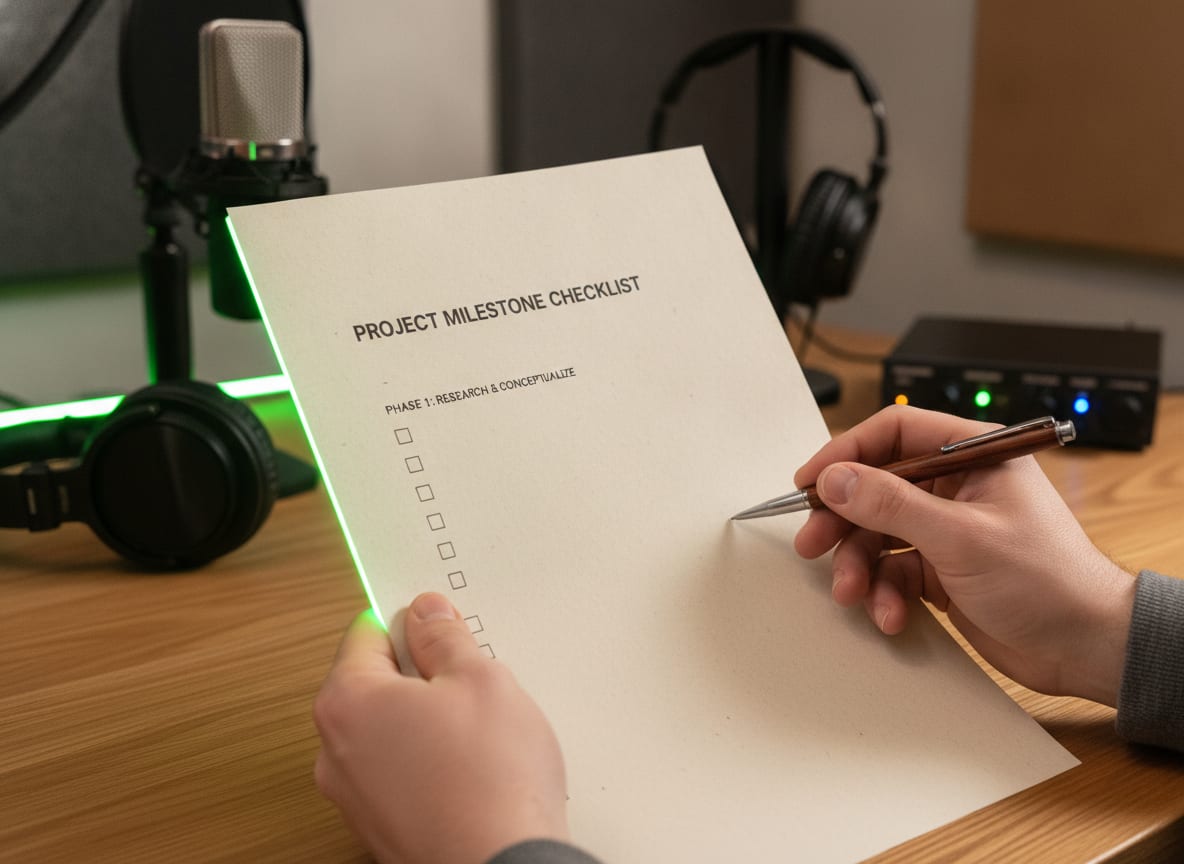
Start by marking a tentative release date on your calendar, allowing at least two months for a single. Work backward from that date to create a checklist of all the tasks you need to complete, from mastering to promotional outreach. Confirm this date with all your collaborators and ensure all your assets will be ready well in advance of your submission deadline.
